
Access Hub
The Access Hub is an extended-hours service designed to increase appointment capacity for patients across the Primary Care Network.
It provides additional support by offering routine GP and nurse appointments outside standard practice opening times, helping patients access care at more convenient times.
Timings:
Monday to Friday: 5:00 pm to 8:00 pm
Saturday: 9:00 to 5:00 pm

Evening and Weekend Appointments
Our Primary Care Network offers weekend and evening appointments with nurses and Healthcare Assistants (HCAs) to support essential diagnostic testing and routine care.
These extended-hours clinics provide patients with greater flexibility for blood tests, health checks, and other clinical assessments outside the standard practice schedule, helping ensure timely access to the care they need.

Injections
Our nurses and healthcare assistants are trained to administer vaccines, medications, and other clinical injections safely and comfortably.
They ensure patients receive the treatment they need with proper care and guidance.
Our staff also provide reassurance, explain the procedure, and monitor patients afterwards to ensure their well‑being.
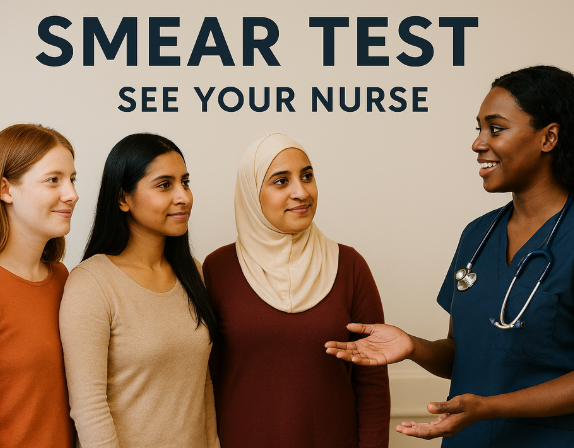
Cervical Screening
Cervical screening, which used to be called a smear test, is a test to check the health of the cervix and help prevent cervical cancer.
All women aged 25 to 64 are invited for cervical screening every 5 years. Everyone with a cervix should be offered screening.
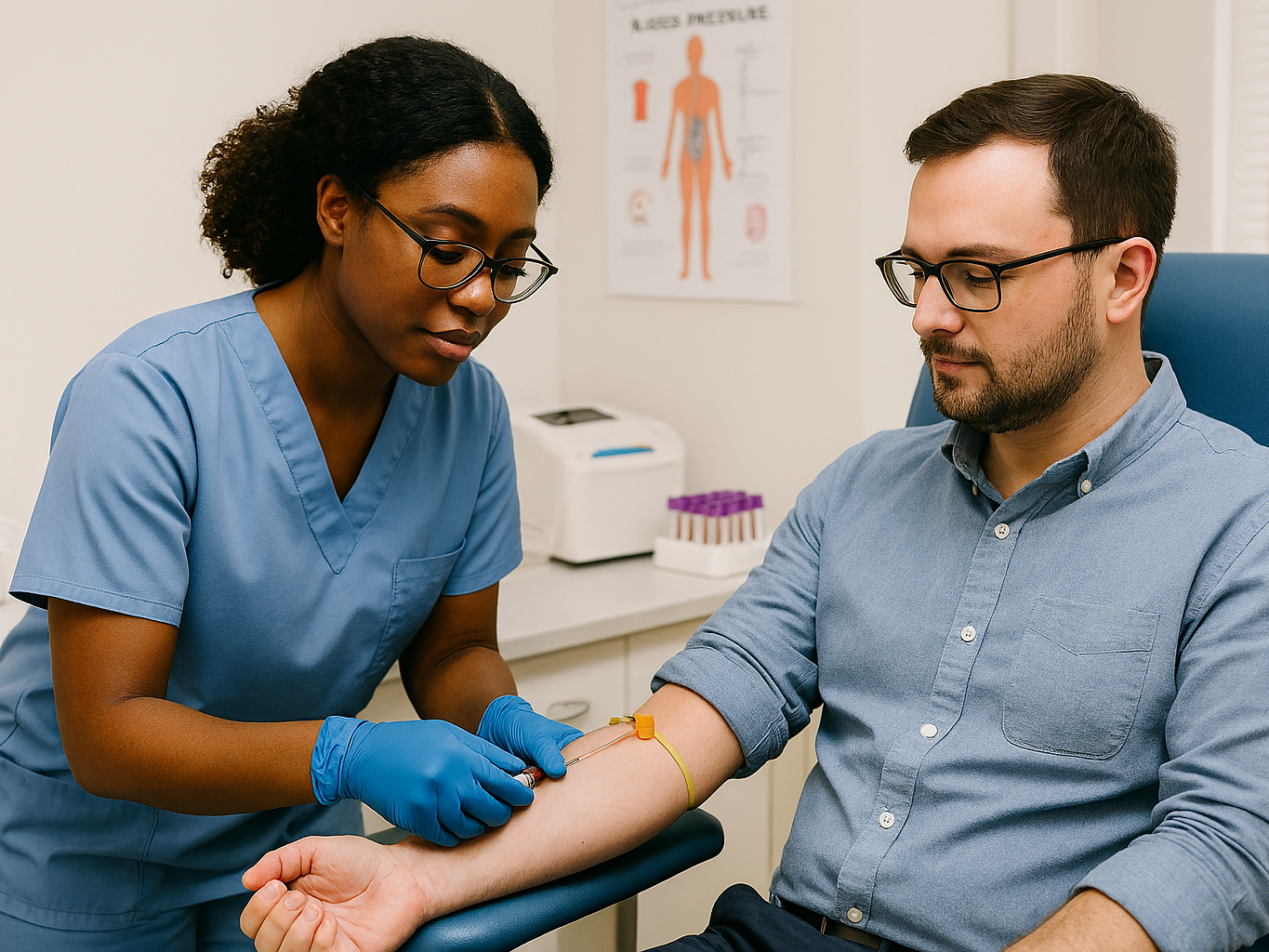
Blood Tests
Our experienced nurses and healthcare assistants (HCAs) play a key role in supporting patients who require blood tests, from booking and carrying out the procedure through to ensuring samples are correctly labelled and sent to the laboratory for analysis.
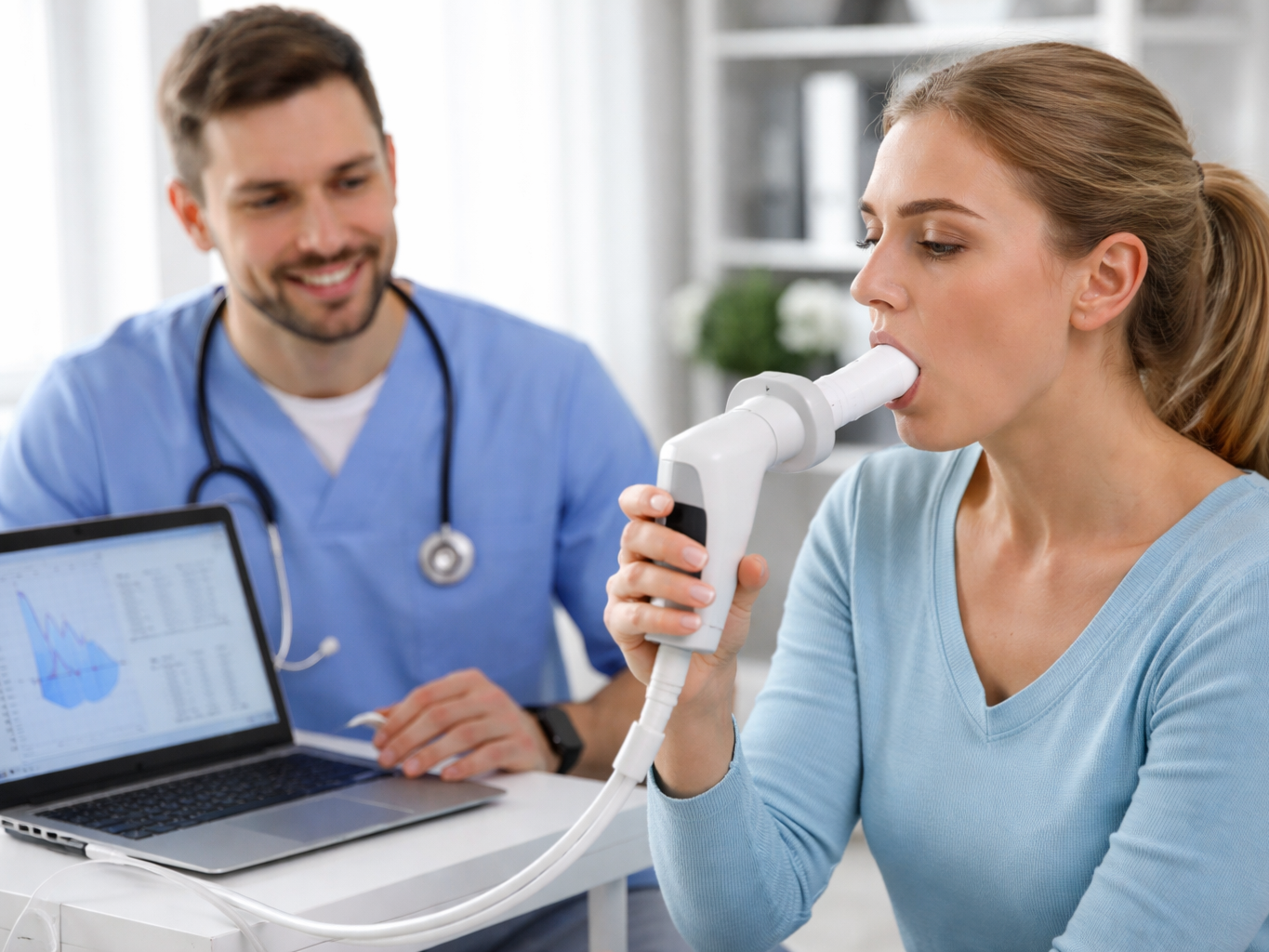
Spirometry Clinics
Our spirometry clinics offer lung function testing carried out by trained clinicians to help diagnose and monitor respiratory conditions such as asthma and chronic obstructive pulmonary disease (COPD).
The test is simple and non-invasive, involving breathing into a device that measures how much air you can inhale and exhale and how quickly you can do so, helping your GP to assess your lung health and ensure you are receiving the most appropriate care and treatment.

Childhood Immunisations
Vaccines are the most effective way to protect your child from many infectious diseases that would otherwise be very dangerous or even fatal if contracted.
Pathologists – experts in diseases and how they are spread – highly recommend that all children are given a complete schedule of vaccinations starting when they are babies to protect them against deadly diseases such as polio, tetanus, and diphtheria.
Long Term Conditions Management
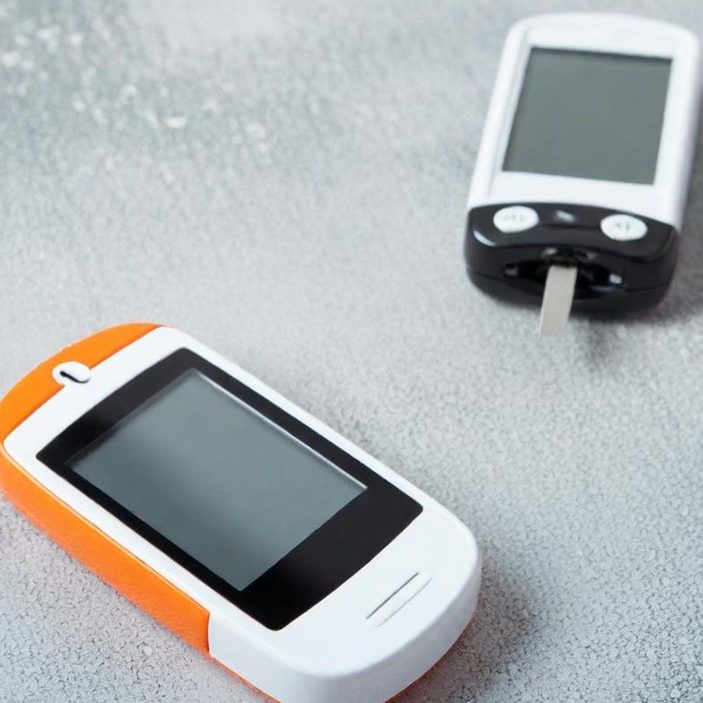
Insulin Monitoring
Our clinical team provide expert support and guidance for patients managing insulin, helping to ensure your treatment is tailored to your individual needs and that you feel confident in managing your condition day to day.

GLP-1 Monitoring
GLP-1 medicines (such as semaglutide or liraglutide) can help lower blood sugar and support weight loss. Before starting, we will check your weight, blood sugar levels, kidney function, and make sure the treatment is safe and suitable for you.
We usually start with a low dose and slowly increase it to reduce side effects like nausea. We will review you regularly to check your progress, monitor your weight and blood sugar, and make sure the medication is working well for you. If you have any concerns or side effects, please let us know.

Warfarin Monitoring
If you are taking warfarin, it is important to have regular blood tests (INR tests) to make sure your dose is safe and working properly. Your INR result tells us how quickly your blood is clotting and whether your dose needs to be adjusted.
Please attend all booked blood test appointments and follow the dose instructions given to you. Let us know if you miss a dose, take too much, start any new medication (including over-the-counter or herbal remedies), or feel unwell.
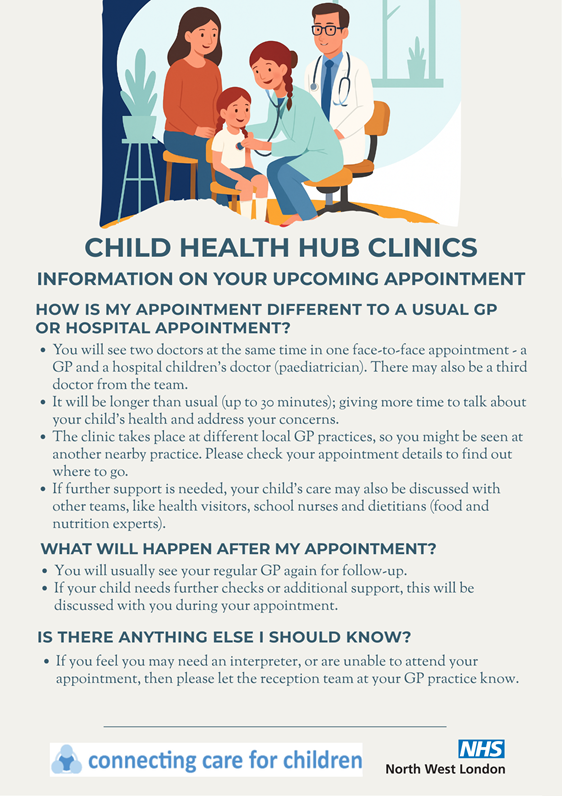
Paediatric Clinics -
Child Health Hub
Child Health Hubs are clinics run within Primary Care Networks (PCNs) where local GP practices work together to provide joined-up care for children and young people. They bring together GPs, nurses and sometimes paediatric specialists to assess, support and manage common childhood health concerns closer to home.
These hubs help families access advice, assessments and follow-up care more quickly, without always needing a hospital referral.
Parent Education workshops are also held as a part of the Child Health Hubs, where workshops held by clinicians, parents are guided through evidence-based strategies for child development, emotional regulation, and effective communication, equipping them with the practical tools and knowledge to support their children's well-being at home.